
By HomeShield Restoration · Updated
What are the signs you need crawl space encapsulation?
The most common signs you need crawl space encapsulation are a musty smell inside the house, damp or sagging insulation under the floor, condensation on ductwork, and moisture coming up from bare soil. None of these proves you need a full encapsulation, but any one of them is a good reason to have someone look under the house. A smell is a clue. Wet insulation is a clue. Together they point toward a moisture problem that deserves a closer look, and the right fix depends on where that moisture is coming from. In some homes the answer is encapsulation. In others it's a plumbing repair, better drainage, or a smaller moisture-control scope. The point of an inspection is to sort out which one you're dealing with before anyone talks about price.
Why does my house smell musty when the crawl space is the problem?
Air moves up from a crawl space into the living area through gaps around pipes, wires, ducts, and floor framing. If the space below the house stays damp, that damp air comes with it, and the smell often shows up first in closets, bathrooms, or rooms with little airflow. Homeowners in Pinehurst and Southern Pines sometimes notice it most in late summer, after weeks of hot, humid weather. A musty odor doesn't tell you the cause on its own. It could be wet soil, a slow leak, wet insulation, or growth on wood framing. It does tell you something under the floor is worth checking.
What does condensation on ducts or pipes mean?
Condensation forms when warm, humid air touches a surface that's cooler than the air around it. In a North Carolina summer, air-conditioning ducts and cold water lines in a crawl space often run cooler than the outside air drifting in through the vents. Moisture beads up, drips onto insulation and soil, and keeps the space wet. Sweating ducts are one of the clearer signs that humid air is getting into the crawl space and staying there. They can also point to duct insulation that's damaged or missing. Either way, the space isn't holding steady conditions, and that is the problem encapsulation is meant to address when it fits the house.
Is damp or falling insulation a sign of a crawl space problem?
Often, yes. Fiberglass insulation between floor joists soaks up moisture from humid air and from condensation. As it gets heavier, it sags, pulls away from the subfloor, and sometimes drops to the ground. Wet insulation also stops doing its job, so the floors above can feel colder in winter. When we see insulation hanging down or lying on the soil, we look at what made it wet before recommending anything. Replacing it without fixing the moisture source usually means replacing it again in a few years. On some projects the old insulation is removed as part of encapsulation, and on others it's repaired. The written scope should say which.
Can moisture signs point to something other than encapsulation?
Yes. A crawl space can be damp because of a leaking supply line, a drain that drips under a bathroom, a dryer vent that empties into the space, or rainwater running toward the foundation. Those problems need attention on their own, and in many cases they need to be fixed first. Laying a liner over a slow leak just hides the water. Standing water after storms is a water-entry issue, and it may call for drainage or grading work before or alongside any encapsulation. This is why we treat the signs as clues and not a diagnosis. A sound plan starts with finding out where the water comes from.
What does a crawl space inspection check?
A good inspection looks at the ground surface and how much soil is exposed, any existing liner and how well it covers the floor and walls, vents, access doors, and other openings, the condition of the floor framing, the insulation, and any signs of water entry or standing water. The inspector should also note plumbing, ductwork, and anything else that could be adding moisture. At HomeShield Restoration we document inspections with detailed photos and video, so you can see what's under your house instead of taking someone's word for it. That record also makes it easier to compare options and ask follow-up questions later.
What does a full encapsulation plan usually include?
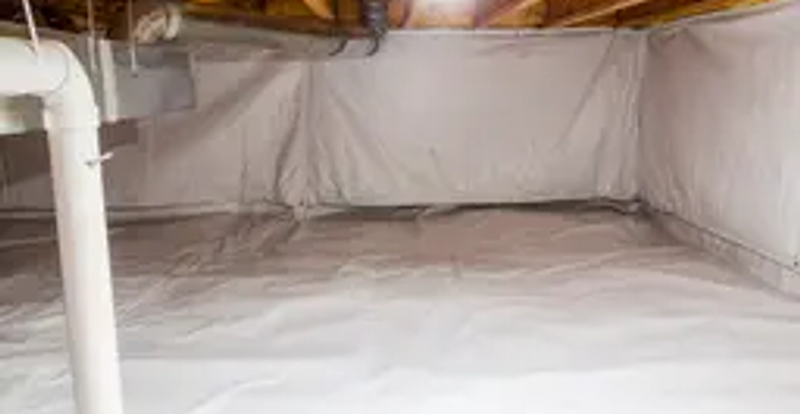
When encapsulation is the right fit, it's a coordinated plan, not a single product. It may combine a continuous liner over the ground and up the walls, sealing of vents and other openings, a way to manage humidity in the enclosed space, and water management where water is getting in. Structural concerns found during the assessment are handled as their own repair scope. For planning, our typical restoration projects land around $8,000 to $12,000, and some smaller scopes come in around $2,000. Those are examples, not quotes. Qualifying full encapsulations carry a 25-year guarantee and qualifying partial encapsulations a 10-year guarantee, subject to written terms.
What should I ask before signing an encapsulation proposal?
Ask what's included and what isn't. A clear proposal spells out liner coverage, how seams and penetrations are sealed, which openings get closed, how humidity will be handled, and whether any water-entry or structural work is part of the job or separate. Ask what maintenance the system needs and who takes care of it. Ask what the guarantee covers and what could void it. If two companies quote the same house, compare the written scopes line by line rather than just the totals. A lower number sometimes means less coverage, and you'll only see that if you read the details.
How do I get my crawl space checked in Moore County?
If you've noticed a musty smell, damp insulation, or sweating ducts, the next step is an on-site assessment. HomeShield Restoration is locally owned and based in Aberdeen, and we work across Pinehurst, Southern Pines, and the rest of Moore County. You can request an inspection online or call (910) 702-2400. We'll show you what we find and give you a clear written scope, whether that turns out to be encapsulation or something smaller.
General educational information. It is not a structural, environmental, or medical evaluation. Recommendations for your property require an on-site assessment.
Get Answers About My Home ↗