
By HomeShield Restoration · Updated
What happens during a crawl space inspection?
During a crawl space inspection, an inspector goes under the house to look at moisture, visible growth, insulation, framing, and signs of water entry, then documents what they find with photos and video. Afterward you get an explanation of the findings and, if work makes sense, a written scope with pricing. Most of the process is simple. The part that takes the most care is matching what was seen to what, if anything, needs to be done. Here is how it usually goes at HomeShield Restoration, from the first request to the written scope, so you know what to prepare and what to ask along the way.
How do I prepare for a crawl space inspection?
Start with what you have noticed: musty smells, soft or sloping floors, stains, damp air indoors, pests, or water showing up after storms. Include when each started and whether it seems to be changing. Share the property address and where the crawl space access is, whether that is an exterior door, a hatch in a closet floor, or something else. Photos taken safely from the access opening are helpful, but you do not need to crawl in to get them. If it is easy to do, clear stored items away from the access, and make sure any locked door or gate can be opened on the day of the visit.
What hazards should I tell the inspector about?
Anything that could affect safety or access is worth mentioning ahead of time. That includes pets that will be loose in the yard or house, a locked or stuck access door, standing water you have seen in the crawl space, electrical concerns such as exposed or damaged wiring, very limited clearance, signs of animals, and areas where the floor above feels unsafe. You do not need to investigate any of these yourself. Just pass along what you already know. It lets the inspector bring the right gear, plan a safe approach, and avoid surprises that could cut the visit short.
Is my inspection confirmed once I submit a request?
Not yet. Submitting a request online or leaving a voicemail starts the process, but it is not a confirmed visit until someone from our team coordinates a date and time with you. That conversation is also a chance to answer your questions, confirm the address and access details, and hear about any hazards. If you have not heard back and the problem seems to be getting worse, calling directly is the faster route. Keeping this step clear avoids the frustration of waiting at home for a visit that was never actually scheduled.
What does the inspector check under the house?
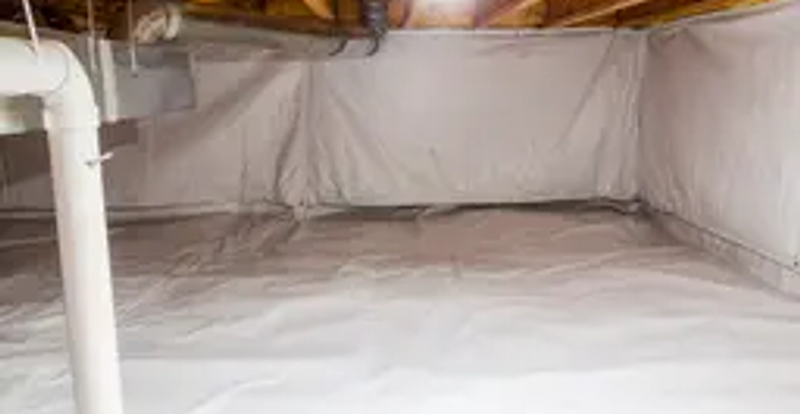
The inspector reviews the areas that can be reached safely. That usually means the ground and any vapor barrier for moisture, foundation walls and vents for signs of water entry, insulation for sagging or dampness, wood framing and supports for staining, decay, or damage, and any visible growth. Ductwork and plumbing lines often get a look too, since leaks and condensation there can add water. Each condition is documented with detailed photos and video. In the Sandhills, where humid summers are normal, the inspector also considers how outside air and drainage around the house may be feeding moisture into the crawl space.
What if part of the crawl space can't be reached?
Some crawl spaces have sections with very low clearance, debris, standing water, ductwork in the way, or framing that is not safe to pass under. In those cases the inspector should tell you which areas were not reviewed and why, rather than guessing about them. Limited access can mean some conditions stay unknown until access improves or work begins. If the inspection turns up a structural question, such as significant framing damage or support problems, a structural engineer or another specialist may need to look at it before a repair plan is set. We will tell you plainly when that is the case.
What happens after the inspection?
You should get a clear discussion of what was found, with the photos and video to back it up. If work is recommended, it comes as a written scope that lists what will be done, pricing, expected timing, exclusions, and warranty terms. Depending on the findings, that might involve crawl space encapsulation, moisture control, mold remediation, or structural repairs. Qualifying full encapsulations carry a 25-year guarantee and qualifying partial encapsulations a 10-year guarantee, subject to the written terms. For planning only, many restoration projects run around $8,000 to $12,000, with some smaller scopes near $2,000. Your scope sets the actual number.
Will I be pressured to sign on the spot?
No. The scope is yours to review, compare, and ask about. A good written scope lets you see why each item is there and which finding it responds to. Fair questions include what happens if the moisture source is outside the crawl space, what is excluded, and how the warranty terms work. If you want time to think it over or get another opinion, that is reasonable. Our job is to show you the conditions clearly and recommend work that fits them. Whether and when to move forward is your decision.
Scheduling a crawl space inspection in Moore County
HomeShield Restoration is based in Aberdeen and works with homeowners in Pinehurst, Southern Pines, and the rest of Moore County. To get started, request an inspection online through our schedule page or call (910) 702-2400. Have your notes, any photos, and access details handy when you reach out. We will coordinate a time that works for you, and you will know what to expect before anyone arrives at the house.
General educational information. It is not a structural, environmental, or medical evaluation. Recommendations for your property require an on-site assessment.
Get Answers About My Home ↗