
By HomeShield Restoration · Updated
Why does mold keep coming back in my crawl space?
Mold usually comes back because the moisture that fed it is still there, or returns with the next stretch of humid weather or the next water leak. Removing or treating growth handles what you can see, but it does not change the conditions that let it grow. Many homeowners go through this cycle more than once. They pay for a cleanup, the space looks better for a season, and then the musty smell is back. When that happens, it is worth stepping back and asking where the water is coming from rather than repeating the same treatment.
Where does crawl space moisture come from?
There are a few common sources, and they often overlap. Exposed soil releases moisture vapor into the air all the time, even when the dirt looks dry. Warm, humid air entering through vents can condense on cooler ducts, pipes and framing. Plumbing leaks can keep one area wet for months without anyone noticing. Drainage problems outside, such as gutters overflowing near the foundation or ground that slopes toward the house, can push water in after storms. A crawl space with two or three of these going on at once can stay damp most of the year.
Why does humid weather bring mold back?
North Carolina summers are hot and humid, and that air does not stay outside. In a vented crawl space it moves underneath the house, where cooler surfaces can cause it to condense. A space that seemed fine in the cooler months may become damp again by midsummer. This is why mold sometimes appears to return on a seasonal schedule. Here in the Sandhills, sandy soils can drain surface water quickly, but that does not stop humid air from reaching the framing. If the plan only addressed a leak or only cleaned the wood, warm weather can expose what was left out.
Did the last repair miss the source?
Sometimes it did. A previous job may have treated surface growth without finding a slow plumbing leak, or added a dehumidifier without addressing water coming in from outside. A thin ground cover may have been installed over only part of the soil. None of this means the earlier work was done in bad faith. Crawl spaces are cramped and hard to see, and moisture problems can be layered. But if mold returned in the same areas, the most likely explanation is that at least one moisture source is still active and needs to be found.
What should a crawl space assessment look at?
A useful assessment looks at the whole environment, not just the stained boards. That means checking the ground and any existing liner, the condition of insulation and framing, plumbing lines and connections, signs of past or current standing water, and how water moves around the outside of the foundation. It also means noting where growth is concentrated, since location can point toward a cause. We provide detailed photo and video documentation of our inspections so you can see the conditions for yourself, including the parts of the space you would rather not crawl into.
Why remediation and moisture control should be planned together
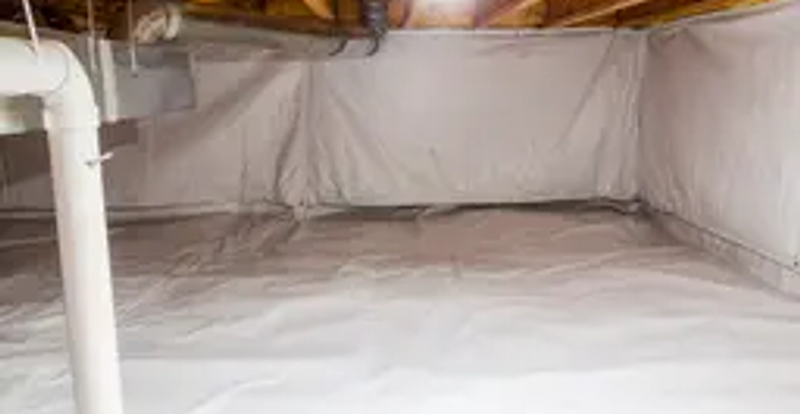
Remediation deals with the affected materials. Moisture control deals with the reason they were affected. When these are planned as one coordinated scope, each part supports the other, and you are less likely to pay twice for the same problem. Depending on what the assessment finds, moisture control might involve addressing water entry, covering exposed soil, sealing the space through encapsulation or managing humidity. As planning examples rather than quotes, many of our restoration projects fall around $8,000 to $12,000, and some smaller scopes run around $2,000. Your written scope will reflect your actual crawl space.
Can any plan keep a crawl space mold-free forever?
No honest contractor can promise that. Conditions change over time. A new plumbing leak, a clogged gutter or a damaged liner can bring moisture back even after good work. What a solid plan can do is remove the known sources and make the space far less hospitable to growth. For qualifying encapsulations, HomeShield offers a 25-year guarantee on full encapsulations and a 10-year guarantee on partial encapsulations, subject to written terms. Read those terms carefully so you know exactly what is and is not covered.
What maintenance helps, and what if moisture shows up again?
Keep gutters clear and downspouts pointed away from the house. Take a look at the crawl space, or have someone look, after major storms and at least once a year. Watch for musty odors in the house, damp or sagging insulation, puddles, or a liner that has been torn during service work. If you notice moisture or new growth, avoid disturbing it and have it assessed rather than trying to handle it yourself. Catching a new leak or water entry point early usually means a smaller, simpler repair.
Getting your crawl space checked in Moore County
If mold has returned under your home in Pinehurst, Southern Pines, Aberdeen or nearby, an on-site assessment can help sort out which moisture sources are still active. What you are seeing is a clue, not a diagnosis. We will document the conditions and give you a clear written scope. If you have paperwork from an earlier repair, keep it handy so we can see what was done before and what may have been missed. You can request an inspection online or call us at (910) 702-2400.
General educational information. It is not a structural, environmental, or medical evaluation. Recommendations for your property require an on-site assessment.
Get Answers About My Home ↗